



Updated 28th January 2026 | Fact Checked By Jess Knauf, Co-Founder, Family Law Service
Quick Answer:
- Mediation isn’t always mandatory, but you’ll usually need to attend a MIAM (Mediation Information and Assessment Meeting) before applying to court
- 20 exemptions exist that allow you to skip mediation entirely, including domestic abuse, urgency, and previous MIAM attendance
- Courts favour mediation and may adjourn your case if they feel you haven’t properly considered it
- Going straight to court costs more and takes longer than most people expect
- The C100 form requires a signed MIAM certificate or proof of exemption
- Even if exempt, mediation might still help resolve your dispute faster and cheaper than court
Understanding the MIAM Requirement
Can you skip mediation and go straight to court? The short answer is: sometimes, but probably not without at least attending a MIAM first.
If you’re planning to apply for a C100 form (child arrangements order) or a financial order following separation, the court expects you to consider mediation before they’ll process your application. This requirement has been in place since April 2014 and was strengthened in 2021.
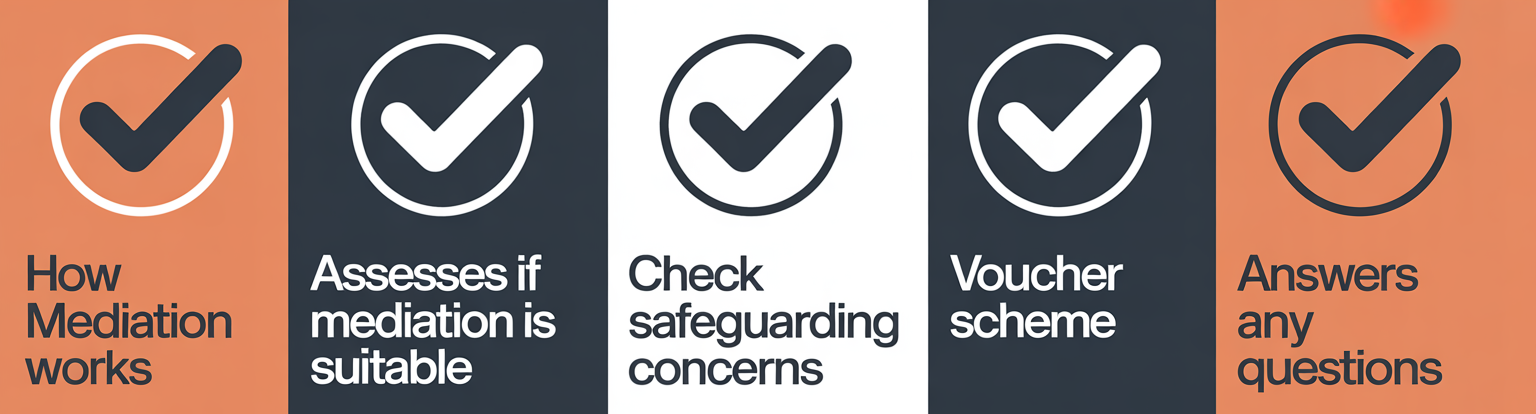
A MIAM is a 45-minute meeting with a qualified family mediator who explains how mediation works, whether it’s suitable for your situation, and what alternatives exist. It costs around £140, and you’ll need to attend alone (the mediator will speak to the other parent separately if both of you want to proceed).
Here’s what often surprises people: the MIAM isn’t mediation itself. It’s just an information session. You’re not committing to anything by attending.
When You Can Skip the MIAM (20 Exemptions)
You can skip mediation and apply directly to court if you meet one of the 20 exemptions listed in the Family Procedure Rules. The most common include:
- Domestic abuse (with evidence dated within 24 months)
- Child protection concerns or ongoing social services involvement
- Urgency (where delay would cause risk of harm, unlawful removal, or miscarriage of justice)
- Previous MIAM attendance within the last four months
- Existing court proceedings about the same issue
- You live outside England and Wales
- The other person is in prison or lives abroad
- You’re applying for a consent order (already agreed)
- You’re applying without notice (the other person doesn’t know)
- No authorised mediator available within 15 miles
The domestic abuse exemption is the most used. Evidence can include police reports, GP letters, refuge letters, court orders (like non-molestation orders), or letters from social services. The evidence must be dated within the last 24 months.
“We regularly help clients gather the right evidence for MIAM exemptions,” says Jess Knauf, Co-Founder. “The court needs to see you’ve made a genuine attempt to resolve things, or that mediation simply isn’t safe or appropriate for your situation.”
What Happens If You Don’t Meet an Exemption?
If you can’t claim an exemption, you’ll need a signed MIAM certificate from a qualified mediator before the court will accept your C100 application. Without this certificate, the court will reject your application outright.
The mediator will only sign your certificate if:
- You attended the MIAM in good faith
- The other person was contacted and invited to their own MIAM
- The mediator assessed mediation as unsuitable (or the other person refused to engage)
If the mediator thinks you or the other person aren’t engaging properly, they can refuse to sign. This doesn’t mean mediation failed, it means you haven’t genuinely explored it.
Can the Court Force You to Try Mediation?
Even if you’ve attended your MIAM and have a certificate, the judge can still adjourn your case and order you to attempt mediation.
In Halsey v Milton Keynes General NHS Trust [2004] EWCA Civ 576, the Court of Appeal confirmed that while courts can’t force parties to mediate, they can encourage it strongly and may penalise parties (through costs orders) who unreasonably refuse.
More recently, in Churchill v Merthyr Tydfil County Borough Council [2023] EWCA Civ 1416, the Court emphasised that parties should seriously consider mediation and ADR (alternative dispute resolution) at every stage of proceedings.
“I remember a client we had at Mediate UK” shares Jess “who arrived at court with all their paperwork ready, only for the judge to adjourn the first hearing and strongly suggest they try mediation first. They were frustrated at the time, but actually resolved everything in two mediation sessions, saving thousands in legal fees”.
How Much Does Going Straight to Court Cost?
If you’re considering skipping mediation to get a quicker resolution, think carefully about the costs:
Court application: £232 (C100 form)
Solicitor preparation: £2,000–£5,000+ for a contested case
Court hearings: Multiple hearings over 6–12 months
Barrister fees: £1,500–£3,000 per hearing
Total contested case: £10,000–£30,000 per person
Compare this with mediation:
MIAM: £140
Mediation sessions: £150–£200 per person per session
Average sessions needed: 3–5
Total cost: £600–£1,400 per person
Mediation also typically resolves matters in 2–3 months, compared to 8–18 months for contested court proceedings.
Want to get started? Just enter your name and we’ll guide you through the next steps.
When It Makes Sense to Skip Mediation
There are genuine situations where going straight to court is the right choice:
Safety concerns: If there’s domestic abuse, child abuse, or coercive control, mediation isn’t appropriate. The power imbalance makes fair negotiation impossible.
Emergency situations: If your child is at risk of being removed from the country, or there’s an urgent safeguarding issue, you need a court order immediately.
Complete breakdown: If the other person has disappeared, is in prison, or simply won’t respond to any contact attempts, mediation can’t happen.
Already tried mediation: If you’ve genuinely attempted mediation within the last four months and it failed, the court accepts this.
Fundamental disagreement on jurisdiction: If the other person disputes whether UK courts have jurisdiction (in international cases), this needs a court ruling first.
How Family Law Service Can Help You Skip Mediation
If you’re confident you meet a MIAM exemption and need to apply to court, Family Law Service offers several targeted services:
C100 Form Completion: We’ll help you complete your court application correctly, including properly claiming your exemption with the right evidence. Fixed fee: £240.
Court Prep Meetings: These sessions prepare you for what happens at court, what the judge will ask, and how to present your case. Fixed fee: £225.
CAFCASS Prep Meetings: If CAFCASS (Children and Family Court Advisory and Support Service) contacts you, we’ll prepare you for their interview and help you understand the safeguarding process. Fixed fee: £150.
Legal Advice Consultations: One-hour fixed-fee advice sessions (£299) where we review your situation, confirm whether you genuinely meet an exemption, and advise on your next steps.
Case Reviews: We can review your case at any stage, including after your first court hearing, to ensure you’re on the right track.
“Many people are convinced they need to go straight to court, only to realise after that mediation might actually be the faster route,” explains Jess. “We’re always honest about what’s going to work best for your specific situation, even if that means we recommend mediation through our partner service, Mediate UK.”
The Reality of DIY Court Applications
People often think skipping mediation and doing their own court application will save money. But the C100 form is 28 pages long, asks complex questions about your proposed arrangements, and requires you to properly explain your exemption.
If you get it wrong:
- Your application will be rejected and you’ll lose the £232 fee
- You’ll need to resubmit (and pay again)
- You’ll delay your case by several weeks
- The court may view you negatively for trying to bypass procedures
The statement you write on the C100 becomes part of your court bundle. If it’s poorly written, contradictory, or doesn’t follow the proper format, it can seriously undermine your case.
What the Court Process Actually Involves
If you’re successful in skipping mediation and your application is accepted, here’s what happens:
First Hearing Dispute Resolution Appointment (FHDRA): 4–8 weeks after your application. The court will explore whether you can reach an agreement, assess risk, and give directions for the next steps. CAFCASS will have completed a safeguarding check and prepared a report.
Dispute Resolution Appointment (DRA): If no agreement at FHDRA, a further hearing 8–12 weeks later to narrow the issues and try to reach agreement.
Fact-Finding Hearing: If there are allegations of abuse or risk that affect the outcome, the court must determine what happened. This can add 3–6 months.
Final Hearing: If still no agreement, a final hearing where the judge makes decisions. This could be 6–12 months from your initial application.
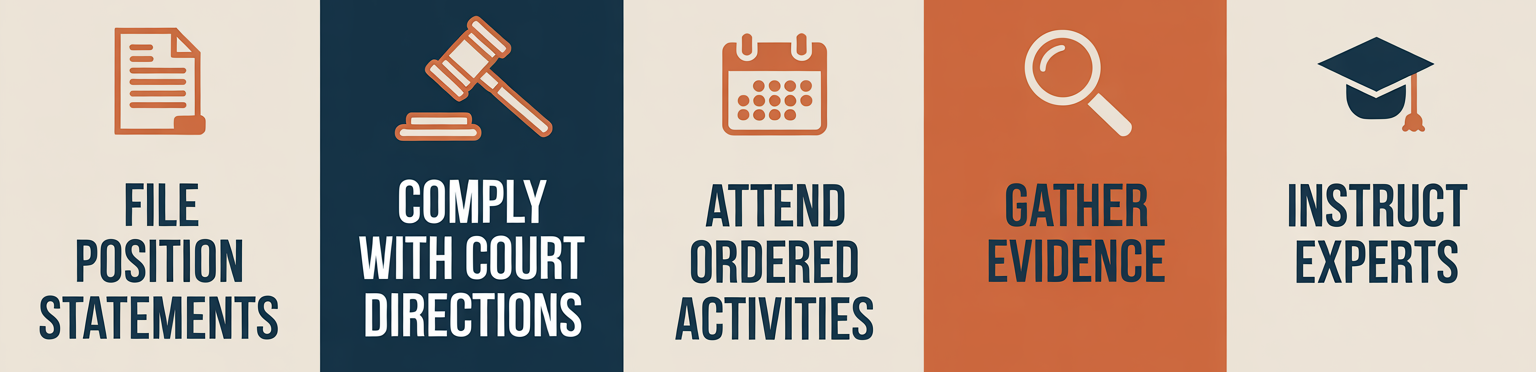
Between hearings, you’ll need to:
- File position statements (your written argument)
- Comply with court directions
- Attend any ordered activities (like parenting programmes)
- Gather evidence and witness statements
- Potentially instruct experts (like psychologists)
Common Misconceptions About Skipping Mediation
“If I have a strong case, I should go straight to court”: Even with a strong case, judges prefer parents who’ve tried to compromise. Going directly to court can make you look unreasonable.
“Mediation is just for simple cases”: Mediation can handle complex arrangements, including multiple children, international relocation, and detailed schedules. It’s not just for straightforward disputes.
“The court will decide quickly”: Court proceedings take months, often over a year. Mediation typically concludes in 8–12 weeks.
“I can represent myself easily”: Self-representation (being a litigant in person) is legally allowed but practically difficult. Family courts have complex procedures, and judges can’t give you legal advice.
“Skipping mediation saves money”: Unless you meet an exemption, you’ll still pay for a MIAM. And court proceedings cost vastly more than mediation.
FAQs About Skipping Mediation
Can I go straight to court if the other person refuses mediation?
You still need to attend a MIAM yourself. The mediator will then attempt to contact the other person to invite them to their own MIAM. If they refuse or don’t respond after reasonable attempts, the mediator will sign your certificate confirming mediation isn’t possible. You’ll then have your exemption evidence to proceed to court.
What counts as evidence of domestic abuse for a MIAM exemption?
Acceptable evidence includes police cautions or convictions, protective injunctions (non-molestation or occupation orders), undertakings given to court, letters from a GP or domestic abuse support service, or a domestic abuse protection notice. The evidence must be dated within 24 months, and the abuse must involve the person you’re in dispute with.
How long does a MIAM certificate last?
Four months. If you don’t submit your court application within four months of the MIAM date, you’ll need to attend another MIAM and get a new certificate. This is to ensure you’ve recently considered mediation before applying to court.
Can I skip the MIAM if I’ve already tried mediation years ago?
No, unless it was within the last four months. The court wants to know you’ve recently considered mediation, not that you tried it five years ago when circumstances were completely different. However, if you tried mediation within the last four months, that counts as a valid exemption.
Will the court really reject my application without a MIAM certificate?
Yes, absolutely. Since the 2021 reforms, courts are very strict about this. Your C100 form has a section where you must either attach your signed MIAM certificate or tick which exemption you’re claiming and provide supporting evidence. If you can’t do either, the court will return your application unprocessed.
Can I skip mediation if I want to apply for a financial order?
Financial remedy applications don’t require a MIAM, but many courts still expect you to consider mediation. Some courts operate voluntary MIAM schemes for financial cases. It’s worth attending a MIAM anyway because mediation can resolve financial disputes much faster than court, and you’ll have more control over the outcome.
Making the Right Choice for Your Family
Can I skip mediation? Yes, if you meet one of the 20 exemptions. But should you? That depends on your specific circumstances.
If there’s abuse, urgency, or genuine risk, court is the right choice. If you’re just frustrated and want a judge to “sort it out”, you might be disappointed with how long it takes and how much it costs.
We’re not here to push you into expensive court proceedings if mediation would work better. We’re here to give you the advice you actually need, not the advice that makes us the most money.
Ready to Take the Next Step?
Filing for divorce is just the beginning. What you’re entitled to financially can make a huge difference to your future security and peace of mind.